
KeyRing, A Community-Based Approach to Independent Living


An innovative support model enabling independent living through neighbourhood-based peer networks
KeyRing’s Community Living Networks are an innovative approach to supporting independent living for people with a range of support needs. The model places individuals in their own homes within the same neighbourhood and connects them through a peer-support network. Instead of institutional or residential care, KeyRing builds local groups, typically nine members living in separate flats, who support one another based on their personal strengths and skills. Each network includes a volunteer who also lives in the neighbourhood, within walking distance. This volunteer receives free accommodation in return for coordinating the network, promoting mutual support, and helping members engage with the wider community.
Originally created in 1990 by Carl Poll to support people with learning disabilities, the model has since expanded to include anyone who may need assistance to live independently, including individuals with learning disabilities, mental health challenges, physical disabilities, or those at risk of social isolation. The emphasis is on empowerment rather than dependency: members contribute to the network, develop practical and social skills, and gain confidence through everyday connections.
KeyRing staff provide flexible, tailored support, working alongside the volunteer and local services while avoiding rigid or prescriptive care structures. This includes help with daily living, strengthening community links, accessing public services, or arranging group meetings and shared tasks. The organisation highlights the value of ordinary community life, showing that independence is strengthened when people are connected with neighbours and local resources rather than separated from them.
While KeyRing operates as a social care provider in England and Wales, the model has gained international relevance. Networks inspired by KeyRing principles have also been promoted in countries such as New Zealand, the Netherlands, and Finland, where organisations explore adapting the approach to local contexts.
Characteristics of innovation
Location
Reino Unido (Inglaterra y Gales)
Partners / Funders
Local Authorities and community partnerships across England and Wales, Volunteers and regional supporters
Genesis
KeyRing was established in 1990 in the United Kingdom by a group of social care professionals and advocates who wanted to create an alternative to institutional living. Their approach aimed to promote autonomy and belonging through small, local networks rather than residential facilities.
Implementation Level
KeyRing operates more than 100 local networks across England and Wales, supporting over 2,000 members. The organisation collaborates with local councils, community partners, and volunteers to deliver flexible, person-centred assistance.

Banc d’innovacions

RAPNIC receives the 2nd prize in the AINA “Territorial Intelligence” contest

Towards Independent Living: Community Support Networks and Personalised Guidance Points

Self‑care to prevent burnout and improve the wellbeing of social services professionals
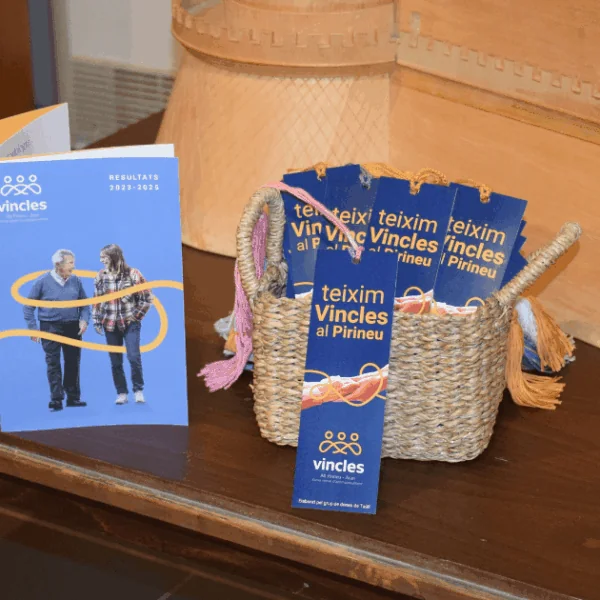
Presentation of the results of the Vincles Alt Pirineu-Aran project for the 2023–2025 period at an event in Sort

iSocial and Somos Conexión join forces to promote knowledge and social technology